DYSPLA_motion: Neurodivergent Physicality perceived through playful Animated Augmented Reality Sculpture
Restriction of movement restricts neurodivergent thought. Cognitive or physical, ideation or migration. DYSPLA’s investigation of the neurodivergent aesthetic requires motion.
With the support of the British Council and guided by Sensory Anthropologist Dr Ruth Gibbons and her innovative research; a collective of DYSPLA artists from Aotearoa/New Zealand and the United Kingdom will create a series of 3DAugmented Reality (AR) Performative Digital Sculptures. We will address the stigma of the disabled body and interpret the concept of ‘Neurodivergent Physicality”. Displayed at Massey University, June 2025.
Artist: DYSPLA, Dr Ruth Gibbons, AVB, Ehetere Rua &
Jack Remiel Cottrell
Title: DYSPLA_motion: Neurodivergent Physicality perceived through playful Animated Augmented Reality Sculpture
Year: 2025
Digital Sculpture: 6 x .gITF, 100mb (approx)
Films: 9 x 60-180 sec, 4k, .mp4
Art Prints: 500 x 105 x 148 mm, 350gsm card.
Text: 3000 words (approx)
![]()
Title: DYSPLA_motion: Neurodivergent Physicality perceived through playful Animated Augmented Reality Sculpture
Year: 2025
Digital Sculpture: 6 x .gITF, 100mb (approx)
Films: 9 x 60-180 sec, 4k, .mp4
Art Prints: 500 x 105 x 148 mm, 350gsm card.
Text: 3000 words (approx)

About the Artists

DYSPLA is a disabled-led, award-winning collective of artists producing and developing the work of Neurodivergent storymakers. DYSPLA makes art and conducts research into the Neurodivergent Aesthetic with a focus on short form narrative. We work in Digital, Print, Poetry, XR and Installation to elucidate a new artistic aesthetic defined by the cognitive difference of neurodivergence. DYSPLA.com @DYSPLA_festival

Dr Ruth Gibbons is a Sensory Anthropologist who works in different mediums to explore the experiences and expressions of neurodivergent lives. Her work is multi-layered multi-media - including digital animation, sculpture, soundscapes, experimental film and digital collage. In 2024 Ruth won the 'Sam Taylor-Alexander Researcher Prize for Ethic's and Engagement within Anthropology' for her work in neurodivergence. She is also an entrepreneur running N@U an online courses to empower neurodivergent University students and Ponderables a research company focusing on supporting neurodivergent movement. ruth-gibbons.com

Ehetere Rua is a neurodivergent multi-disciplinary artist based on the outskirts of Tāmaki Makaurau Auckland, of Māori (Ngāi Te Rangi, Ngāti Ranginui) and European (Cornwall, Normandy) descent. Emerging theatre and film maker - An active rising member of Aotearoa's street dance community as 'ENIGMA' - Contributor to visual arts collective 'MOA EGG ART' - Designer and owner of 'ROUND PEG', a whimsical goth fashion label re-imagining and embodying liberated femininity. Tripleviolet.space
@ehetere_enigma
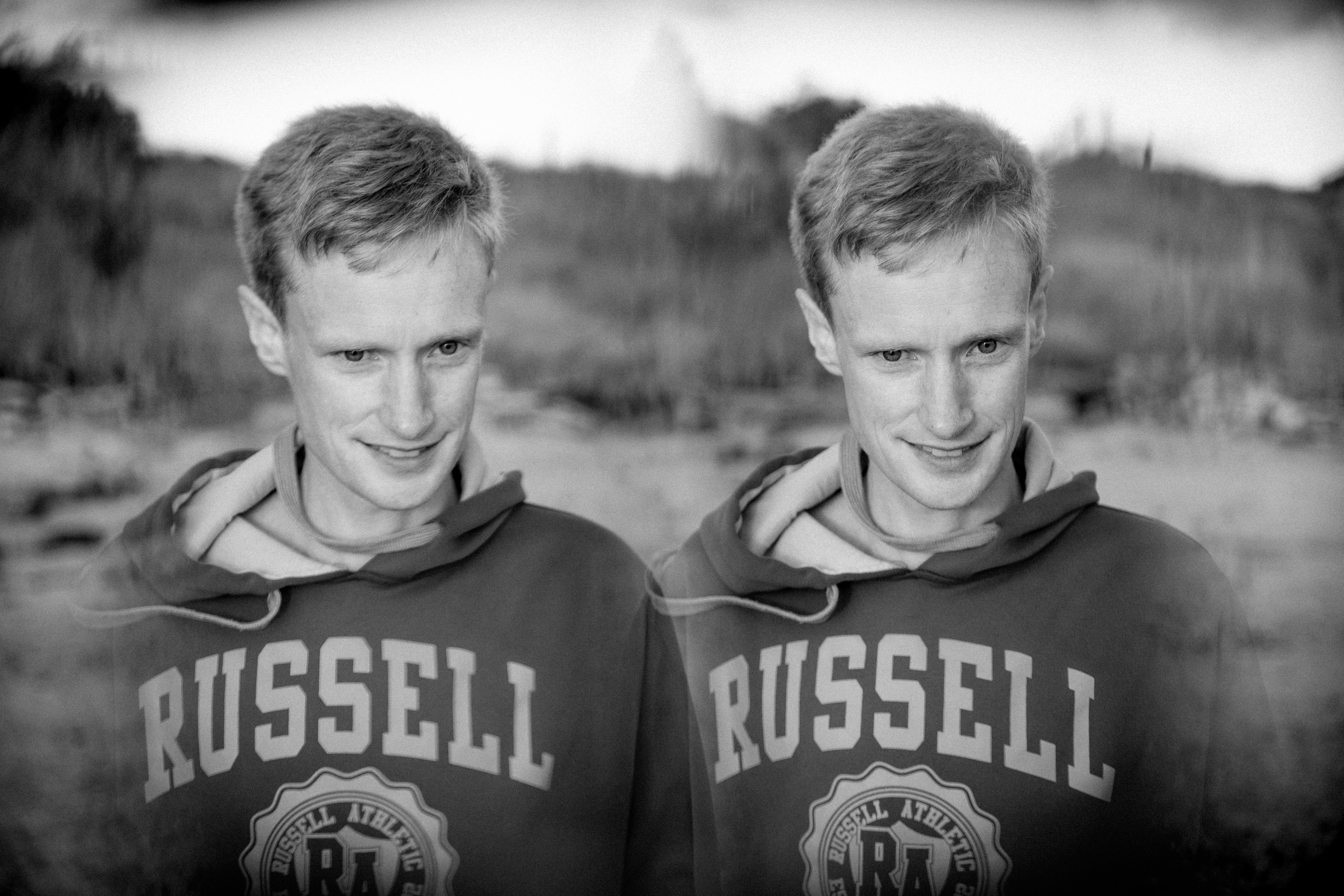
Jack Remiel Cottrell (Ngāti Rangi) is an short fiction writer from Te-Whanganui-a-Tara, Aotearoa with an expensive rugby refereeing habit. His debut flash fiction collection Ten Acceptable Acts of Arson and other very short stories won the Wallace Foundation prize, and was published in 2021 by Canterbury University Press. His forthcoming book, The Emotion Dealer, will be out in October 2025. jackremiel.co.nz @jackremiel
Pohutukawa tree photogrammetry by Bryn Nealie @brynnealie
Workshops in Waiuku_31st May-1st June 2025


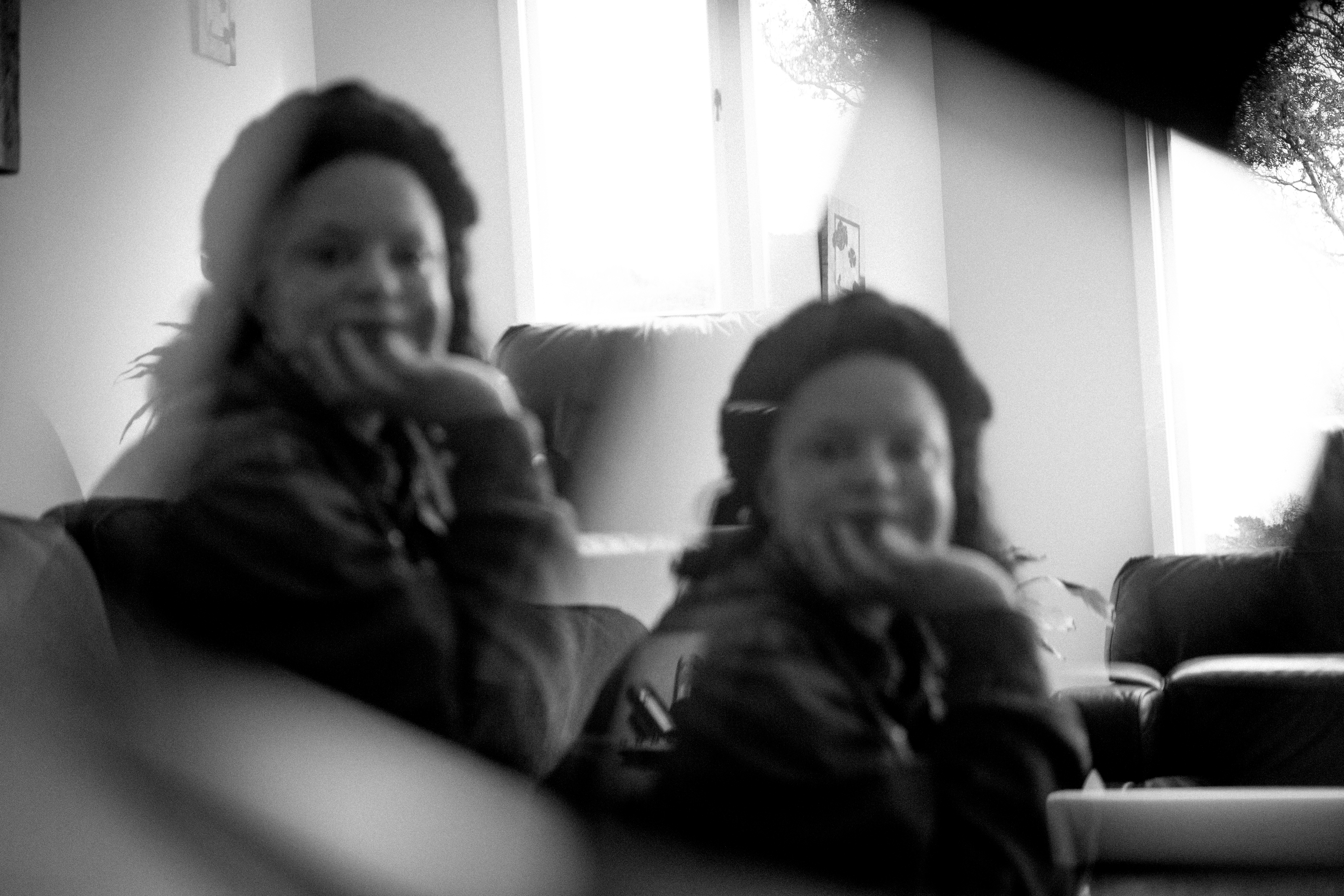

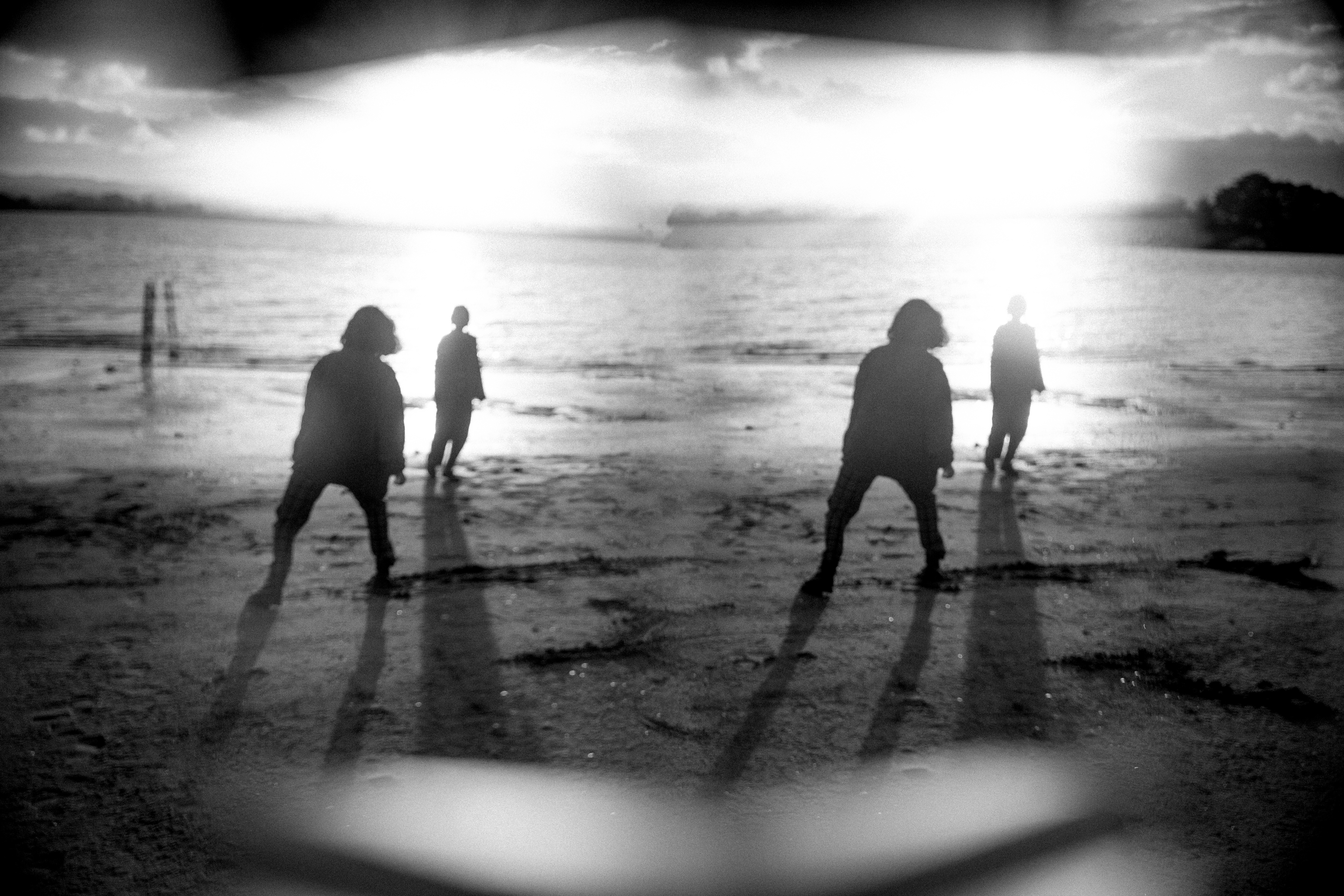
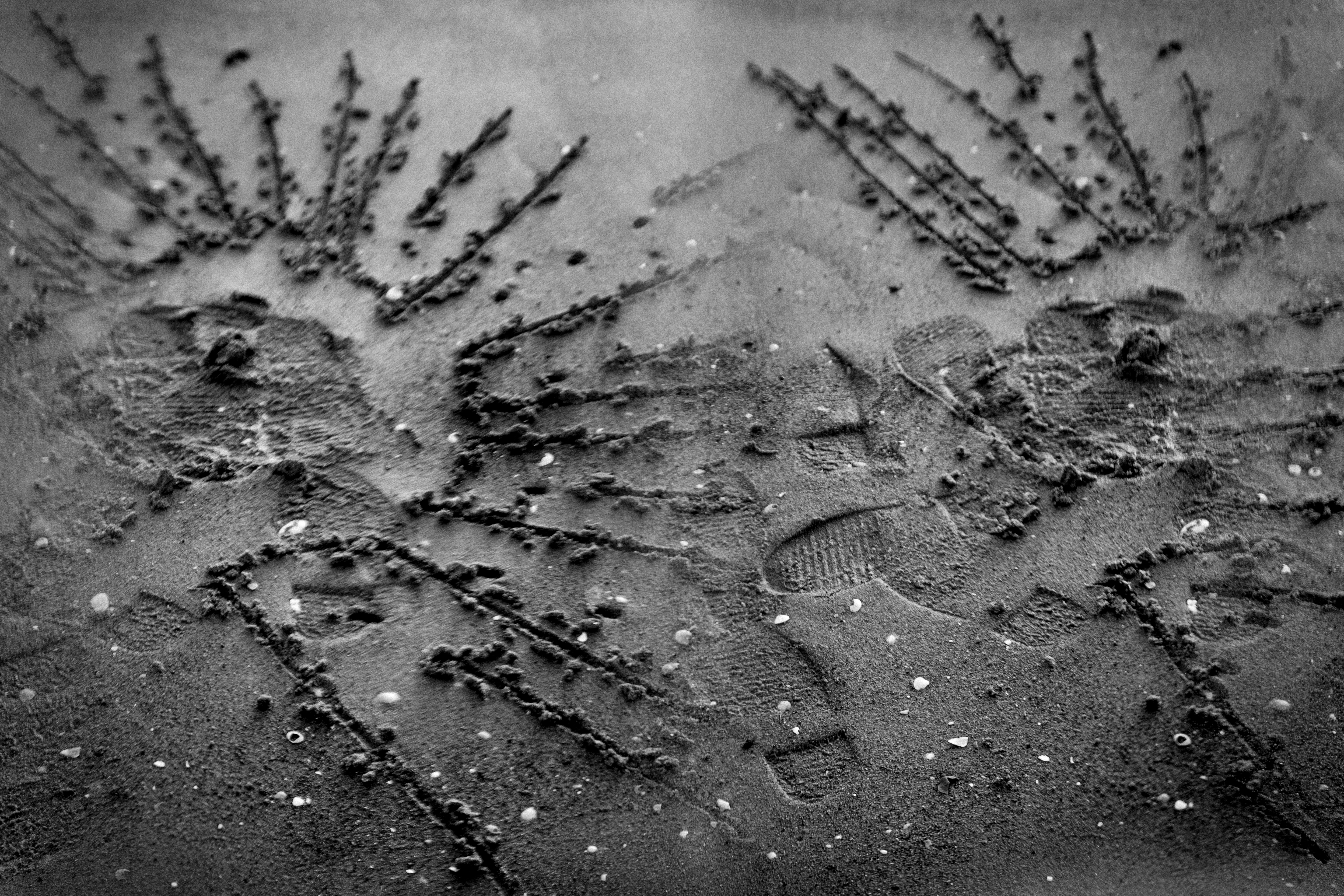
Exhibition & Artist talk at Massy University_6th June 2025


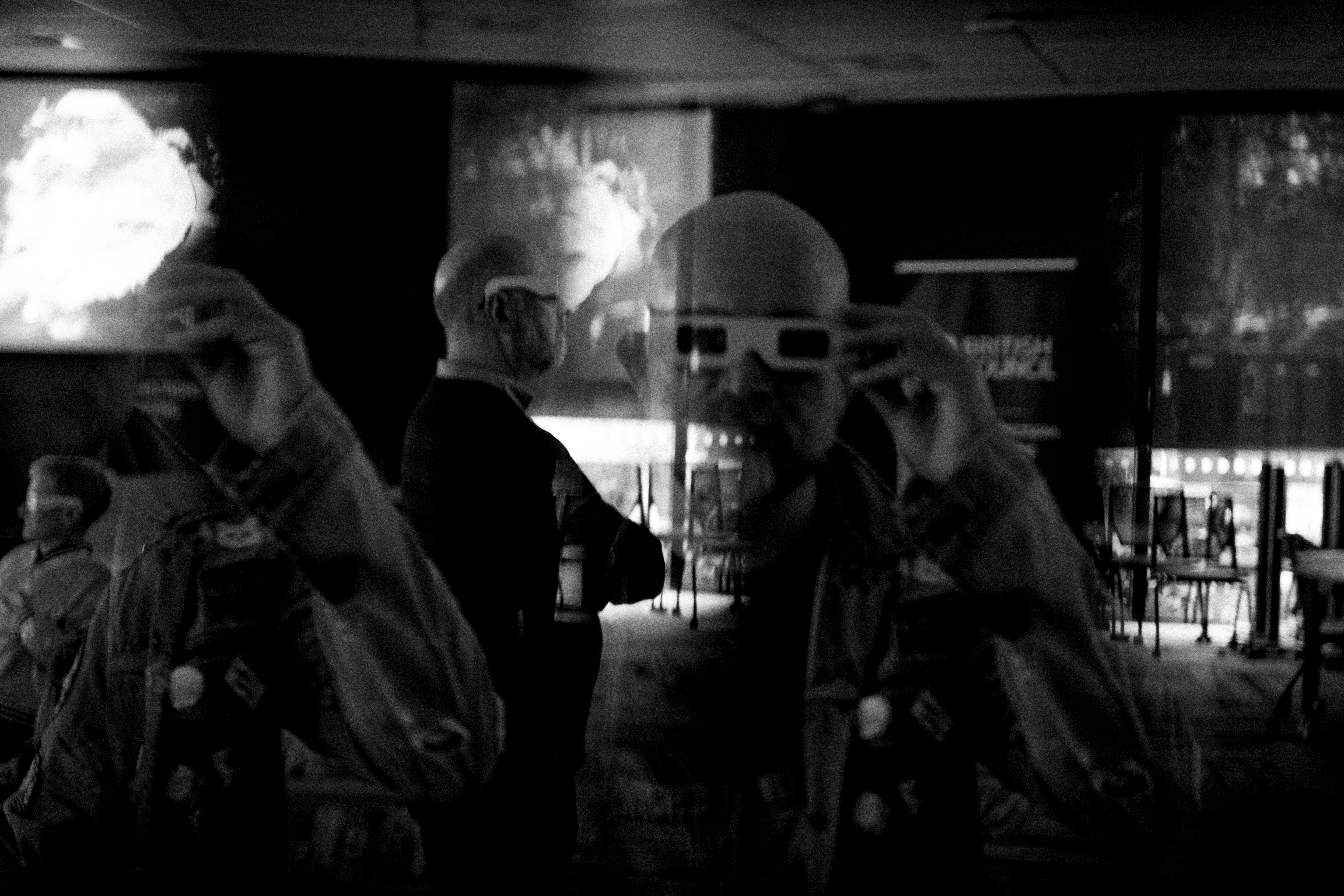


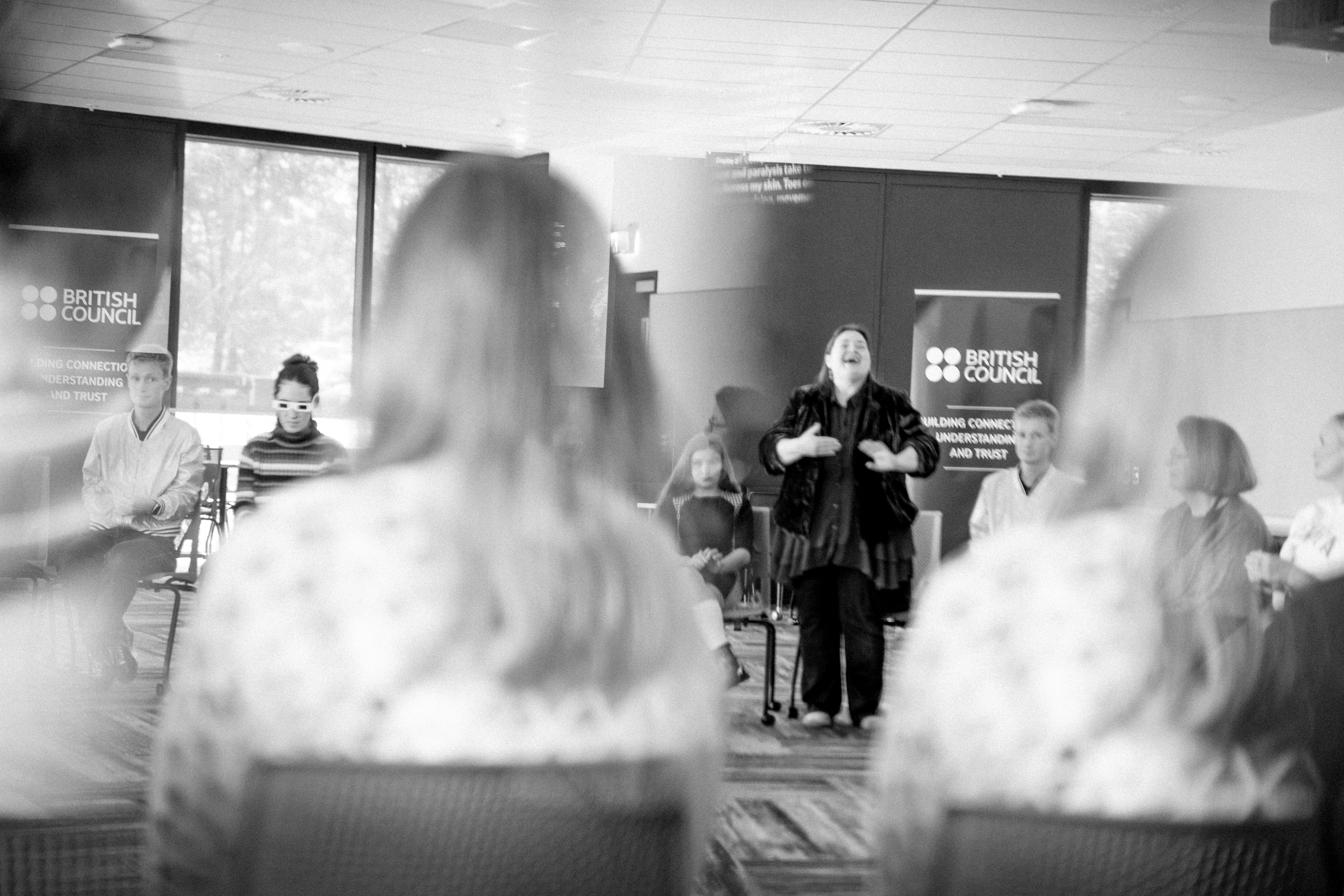


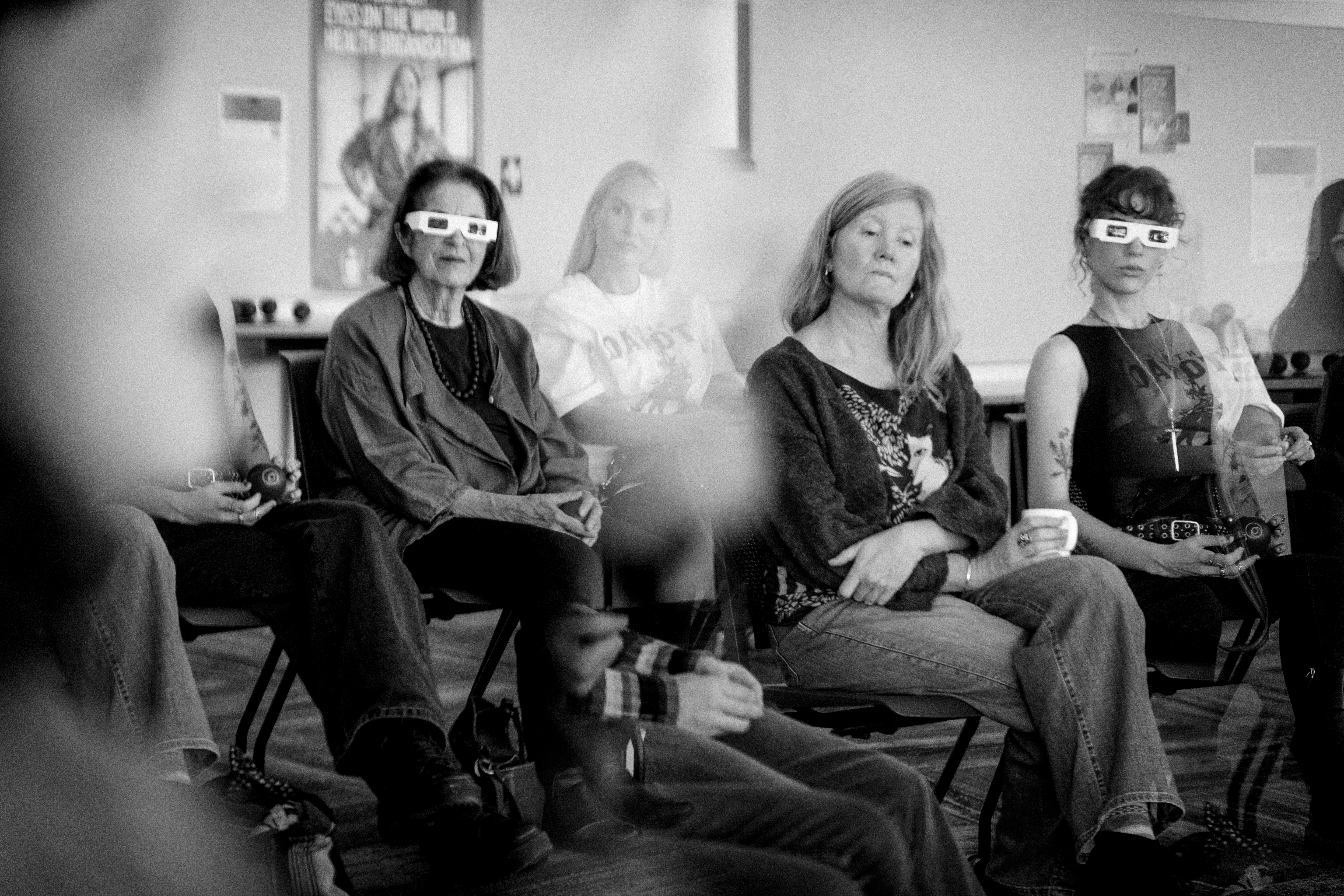
Exhibition in UK, Arbeit Studios & Streets of Enfield_16th-23rd August 2025





PROJECT STORY
Written by Lennie Varvarides, Artistic lead. Link to article on MONDADoes restriction of physical movement also restrict one's thoughts?
Cognitive or physical, ideation or migration — DYSPLA_motion, DYSPLA’s latest digital art commission, is an investigation into: motion — movement — freedom of thought, and how this impacts neurodivergent people at home, at school or at work.


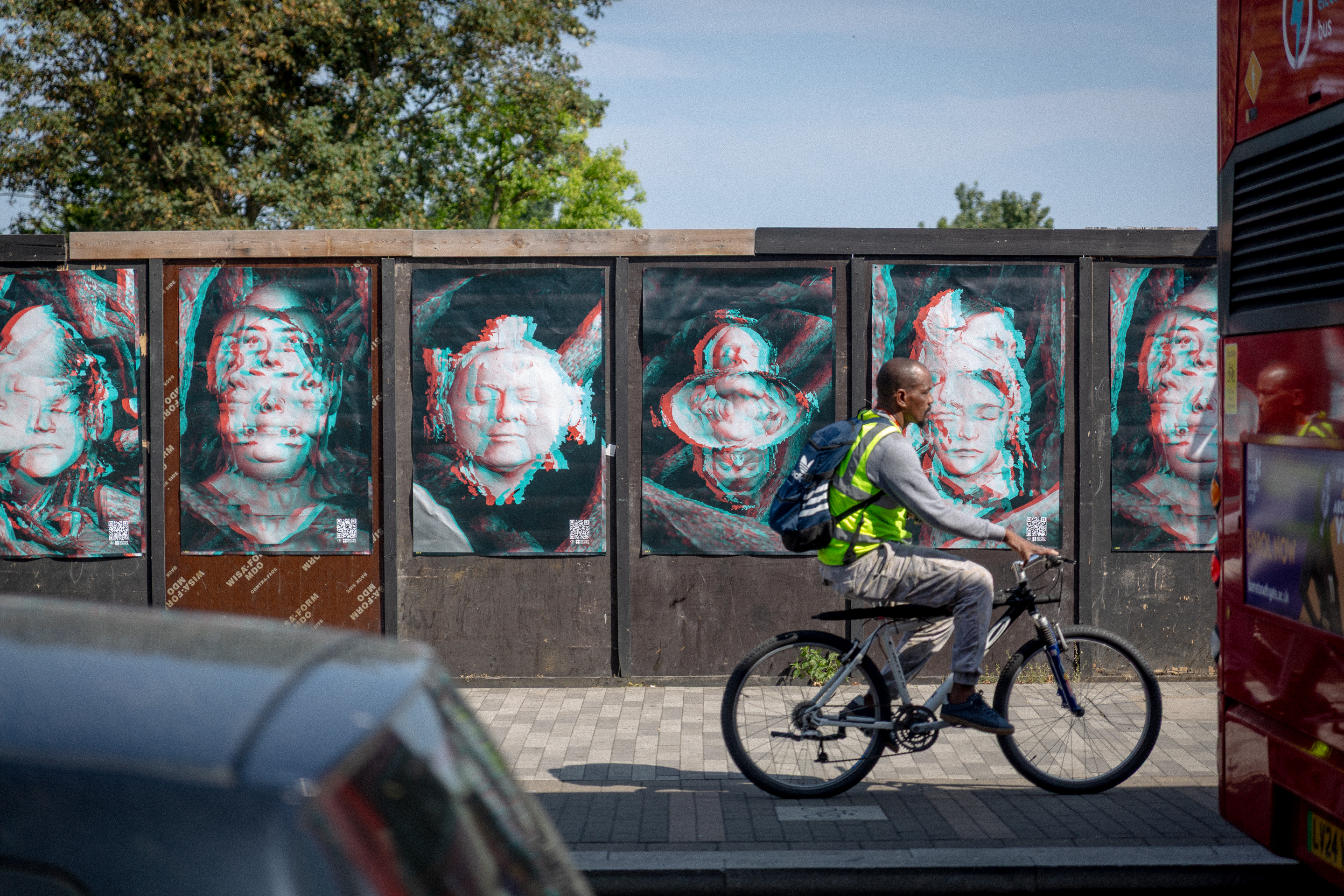
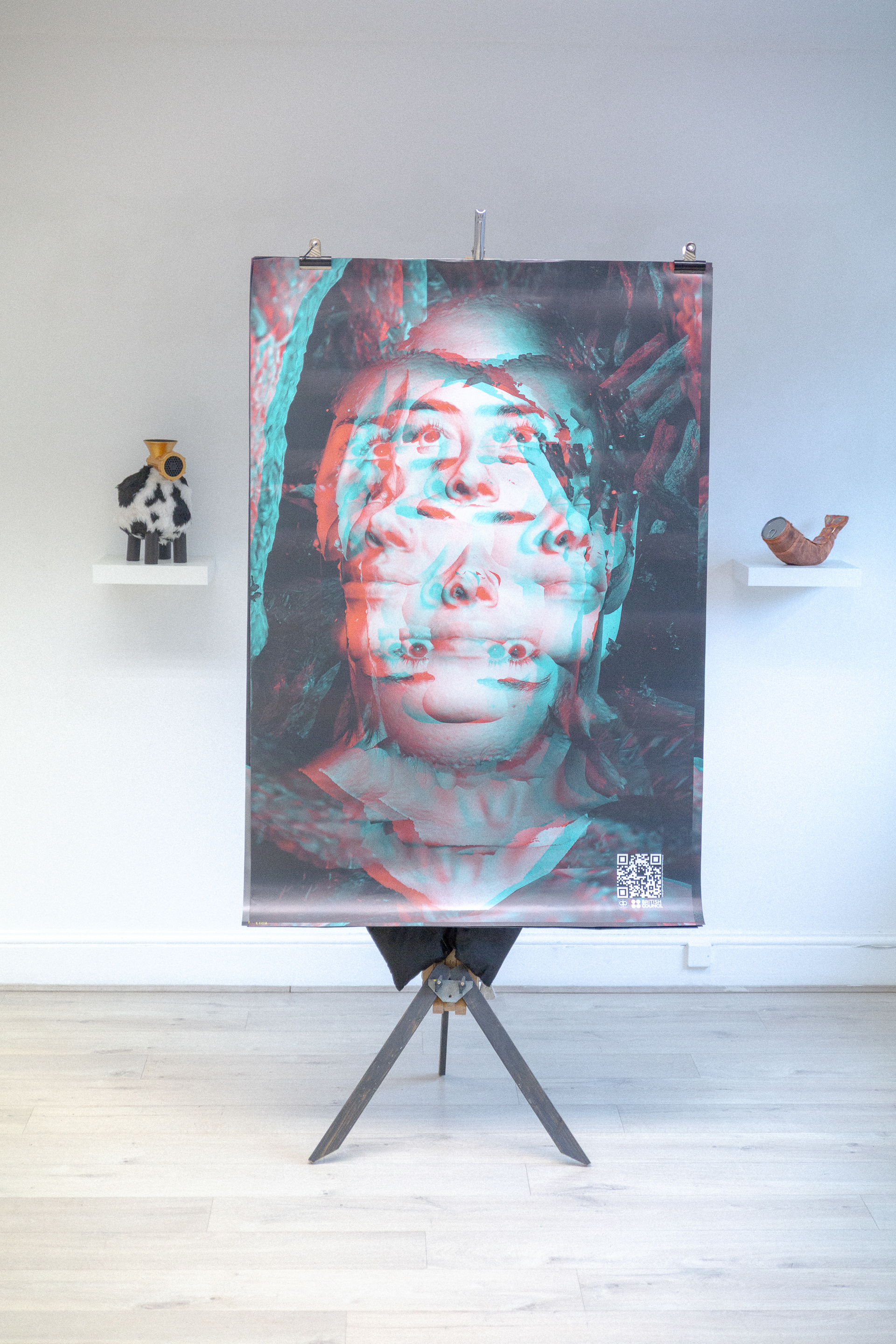
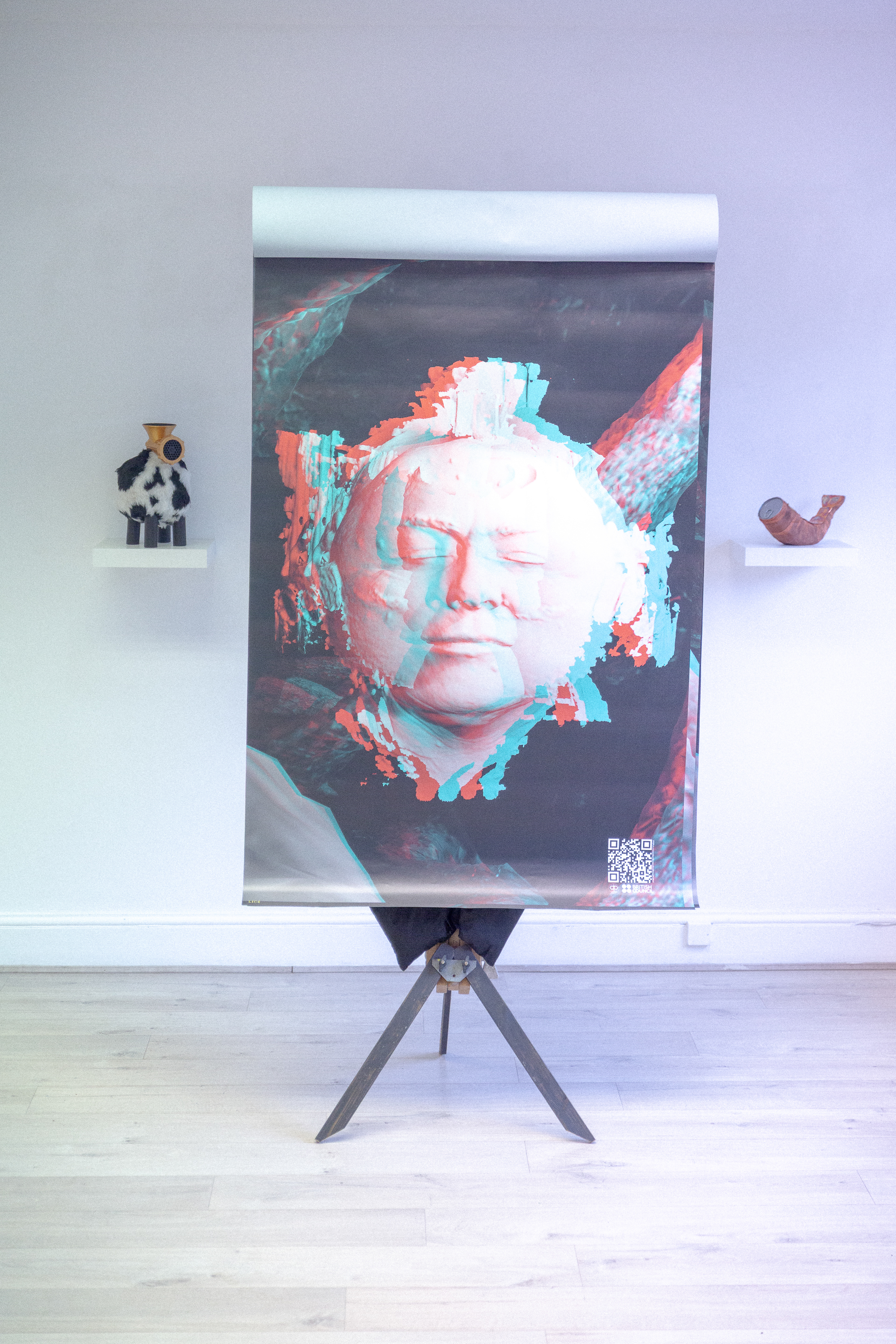
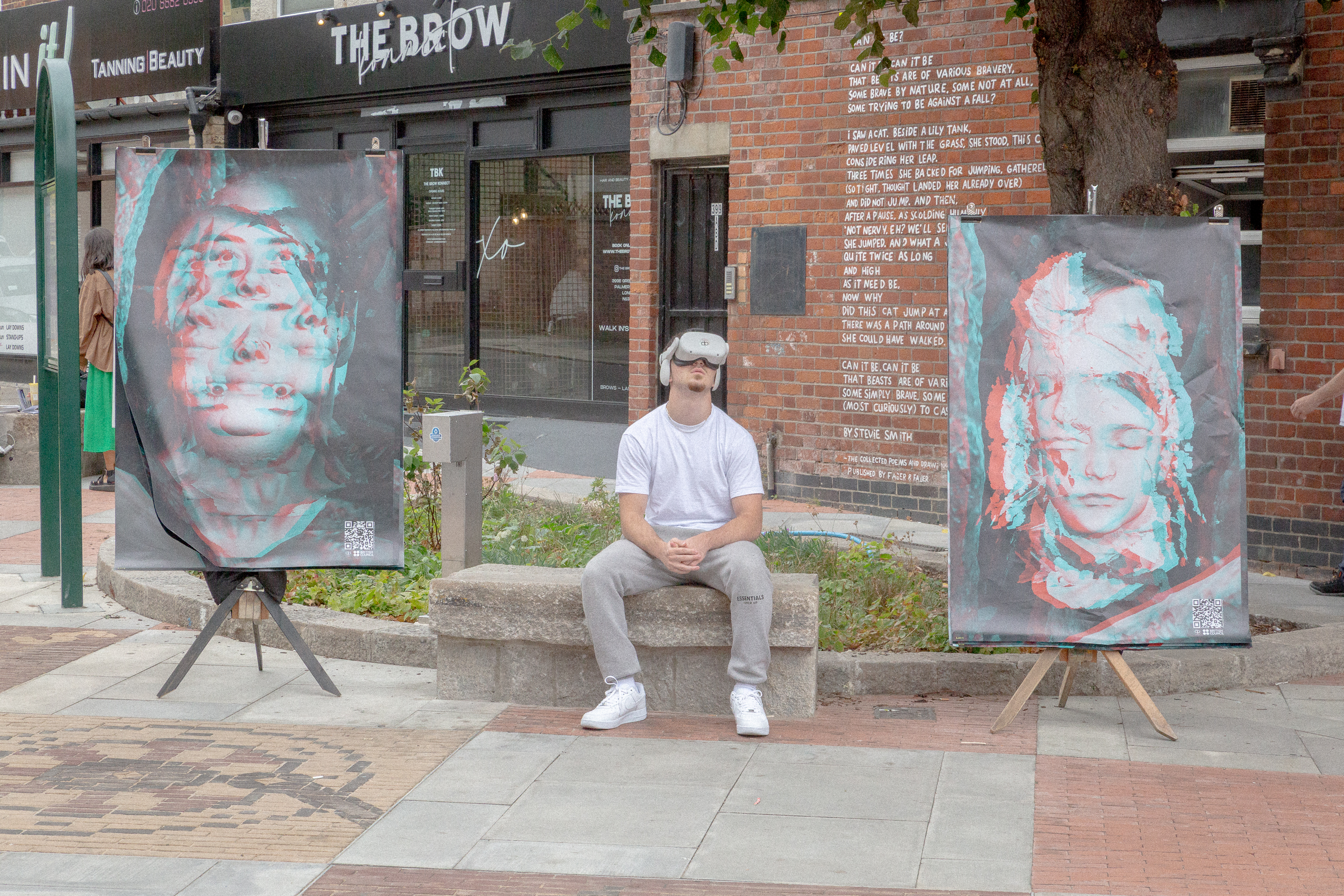
A 3D image with two portraits, one of a man and another of a women. The man has his eyes open and the women has her eyes closed. Both portraits have be layered multiple times so it appears as if they have 3 heads, This effect was created to give the impression of movement. These images were designed to be viewed with 3d glasses.
In June 2025, DYSPLA collaborated with six Neurodivergent Artists, (three from the UK and three from New Zealand) to create ‘DYSPLA_motion’.
DYSPLA_motion is a series of six micro 3D Augmented Reality (AR) Performative Digital Sculptures, experienced in both 2D via a flat screen and as 3D when wearing stereoscopic glasses.The artwork is also accessible via QR codes printed on both postcards and billboard posters.
The R&D for DYSPLA_motion was funded by the British Council: Connections Through Culture 2024 and the finished artwork was on display for one day only, during a panel talk held at the Innovation Complex on 6 June 2025, at Massey University in New Zealand.
This event was hosted and organised by our professional partners at Massey University; Dr Natalie Mathews and Dr Kathryn McGuigan from DiverseMinds.
The exploratory work for the R&D stages was done in Waiuku, in the lovely offices of, Gibbons Civil Engineering Ltd, who were our generous venue partners.
DYSPLA, (Kazimir Bielecki, Lennie Varvarides & AVB), and New Zealand artists: Sensory Anthropologist Dr Ruth Gibbons, Ehetere Rua & Jack Remiel Cottrell.
The work explored the concept of Neurodivergence and Physicality and looked to interpret the perceived stigma of hidden disabilities and how disability becomes ‘visible,’ through ‘behaviour,’ ‘speech’ and/or, ‘movement.’
“Art offers a way to share experiences differently, to invite new ways of seeing and thinking about neurodivergence.” — Dr Natalie Mathews
Dr Kathryn McGuigan, says the collaboration fits naturally with the group’s ‘Kaupapa’:
“We work alongside neurodivergent staff and students to create neurodivergent friendly spaces and to foster meaningful change. Arts-based projects like DYSPLA_motion, open up richer, more authentic conversations about neurodivergent lives.”
Summary: What is ‘Neurodivergent Physicality?’
Sensory Anthropologist Dr Ruth Gibbons explains:
“[…] the exploration of neurodivergent physicality — not something defined within the walls of medical discourse, but as an essential way of moving through the world. We were centered in a neurodivergent paradigm, where movement was language — layered, expressive, and whole. Through this lens, every gesture holds value, every motion carries meaning recognising the body and mind reflect their rhythm with the world. It’s an embrace of richness, a reclaiming of the body as something powerful, present, and unapologetically complex.
So…does restriction of physical movement also restrict one’s thoughts?
The short answer in my opinion based on our shared experience though this R&D period, is yes — The body and the brain are not separate entities. They operate in collaboration together.”
Each of the six artists poetically illustrated their need for movement because movement assists their cognition and regulates their energy and emotions.
To move is to facilitate freedom —freedom supports cognition — but this concept of movement in the classroom is still seen as ‘disruptive’ which proves the classroom is still backwards in coming forwards about progressive education.
Especially at Primary and Secondary schools, who should be doing more to harness the learning potential gained when young students are allowed to move while learning— especially for neurodivergent students.
Like the saying goes…if its good for neurodivergent students, it's good for all!
Last Words: “We’re already talking about how to keep the momentum going. There’s so much more to explore and art is such a powerful way in,” Dr Mathews says.
PAST EVENTS
⚫ 6/7th April 2025 - 8pm GMT+1 / 7am NZST
ONLINE WORKSHOP - Theme - Restraint, with Dr Ruth Gibbons, supported by the British Council.
⚫ 4/5th May 2025 - 8pm GMT+1 / 7am NZST
ONLINE WORKSHOP - Theme - Movement, with Dr Ruth Gibbons, supported by the British Council.
⚫ 31st May - 1st June 2025
PHYSICAL WORKSHOP - Theme - 6 Neurodivergent Artists discuss Neurodivergent Motion, supported by the British Council.
⚫ 1st/2nd June 2025 - 8pm GMT+1 / 7am NZST
ONLINE WORKSHOP - Theme - DYSPLA_motion project in New Zealand, supported by the British Council.
⚫ 6th June - 12-2.30pm NZST
PHYSICAL (IRL) EXHIBITION & PANEL TAL @ Massy University, Albany Campus, Auckland, Aotearoa/New Zealand
⚫ 16th - 23rd Aug 2025 - UK exhibition, Shown alongside a newly commisioned VR film by DYSPLA, ‘conscious-square’, inspired by DYSPLA_motion, as part of Arbeit Studios Devonshire Square Program. LOCATION 1 - 179 Hertford Road Enfield Wash Enfield EN3 5JH
LOCATION 2 -Devonshire Square, N13 4JG


23 hr Flight from England to New Zealand depicting Restiction of Neurodivergent Motion.